

How to Implement an Effective Management System for a Wellness Center
Implementing an effective management system requires selecting an integrated platform that unifies bookings, payments, and client data. This guide explains how to deploy such a system to reduce administrative overhead and increase revenue. We cover the core components of an integrated platform and the specific strategies for managing staff schedules and performance. For additional details, review the GurYou.
Integrated Management Platform
An integrated management platform is a software solution that consolidates all operational aspects of a wellness business into a single interface. For wellness centers, this means moving away from fragmented tools like spreadsheets, separate payment processors, and standalone booking widgets. The goal is to create a single source of truth for your business data. For additional details, review the GurYou.
Core Functional Modules
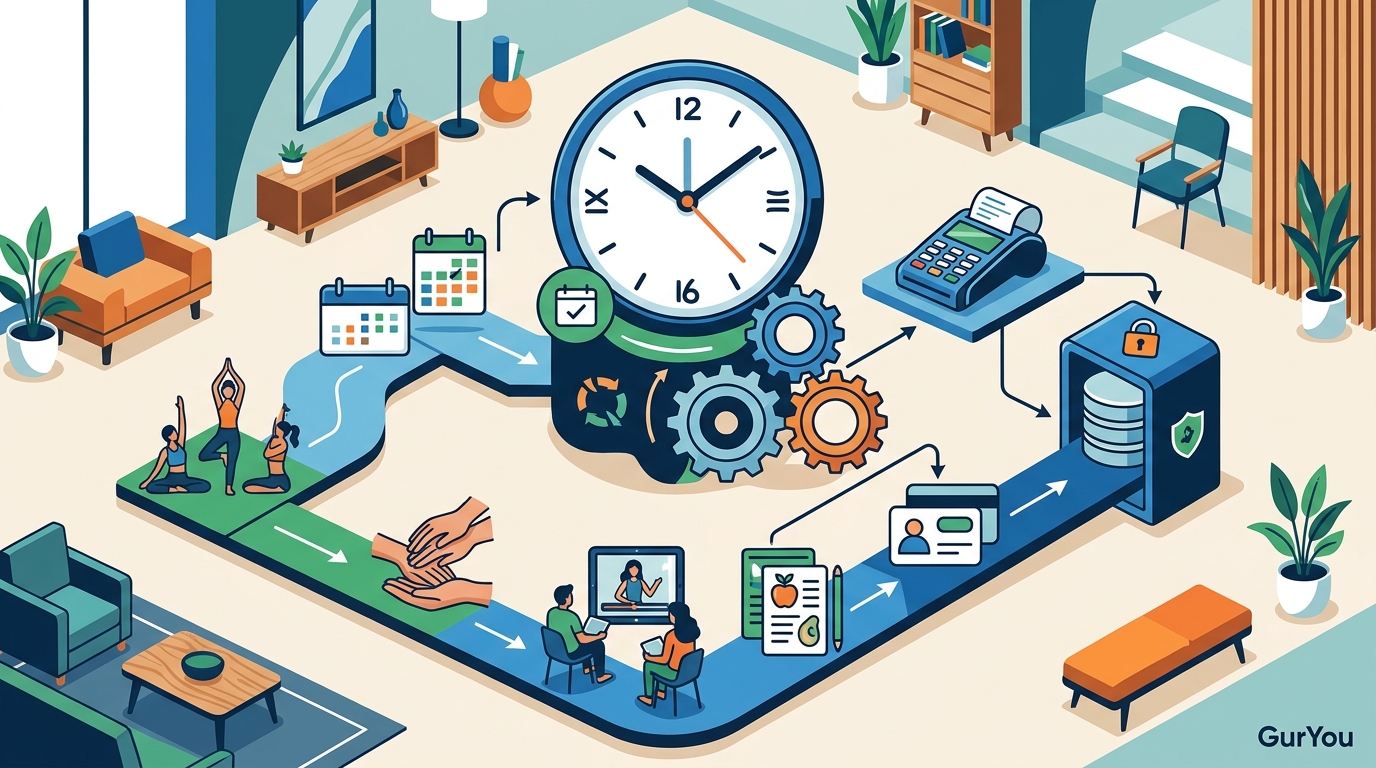
Fragmented systems create data silos. If your booking tool does not sync with your payment processor, you face reconciliation errors. If your client database is separate from your scheduling tool, you lose the ability to send targeted re-engagement campaigns. An effective system eliminates these gaps by ensuring that every action in one module updates the others in real-time. For additional details, review the GurYou.
Payment Processing and Financial Flow
Payment efficiency is a critical differentiator for wellness professionals. Many traditional platforms take a commission on every transaction, which erodes profit margins. An effective management system should offer direct and immediate payments, allowing the business owner to retain 100% of the revenue. This financial transparency is essential for cash flow management, especially for smaller studios or independent practitioners.
Furthermore, the system should support flexible payment methods, including credit cards, digital wallets, and bank transfers. It must also handle complex billing scenarios such as class packs, monthly memberships, and pay-per-session models. By automating these financial tasks, the platform frees up time for the owner to focus on service delivery rather than accounting.
Client Experience and Retention
The client-facing experience is just as important as the back-office operations. A modern management system should provide a mobile application or a seamless web interface for clients to book, pay, and manage their profiles. Features like automated reminders for upcoming classes and notifications for subscription renewals significantly reduce no-shows and churn. Additionally, offering video classes or digital workout plans through the platform allows wellness professionals to extend their reach beyond the physical studio.
Staff Management
Staff management is the operational backbone of any wellness center. It involves coordinating schedules, tracking performance, and ensuring fair compensation. Without a robust system, managing multiple trainers, instructors, and administrative staff becomes a logistical nightmare. An effective management system provides the tools to streamline these processes and maintain high service standards.
Scheduling and Availability
Coordinating the availability of multiple staff members is one of the most time-consuming tasks for wellness center owners. A centralized calendar allows you to view the availability of all collaborators in a single view. You can assign specific instructors to classes or time slots, ensuring that no double-booking occurs. The system should also allow staff members to update their own availability, reducing the back-and-forth communication required to build weekly schedules.
For businesses with rotating schedules, the ability to create recurring templates is essential. You can set up a standard weekly schedule and make adjustments as needed. This consistency helps clients know when their favorite instructors are available, which improves booking rates and customer satisfaction.
Performance Tracking and Compensation
Tracking staff performance is crucial for both quality control and fair compensation. The management system should automatically record attendance and session counts for each instructor. This data can be used to calculate commissions, bonuses, or performance-based pay. By automating this process, you eliminate the need for manual timesheets and reduce the risk of payroll errors.
Additionally, the system can provide insights into which classes or services are most popular. This data helps you make informed decisions about staffing levels and curriculum development. For example, if a specific yoga class is consistently full, you may need to add another instructor or increase the class capacity. Data-driven decisions lead to better resource allocation and higher revenue.
Communication and Collaboration
Effective communication is vital for a cohesive team. The management system should include internal messaging or announcement features that allow you to share important updates with your staff. This could include changes to the schedule, new policies, or performance feedback. By centralizing communication, you ensure that everyone is on the same page, reducing misunderstandings and improving operational efficiency.
Comparison of Management Approaches
| Feature | Fragmented Tools | Integrated Platform (e.g., GurYou) |
|---|---|---|
| Data Sync | Manual, error-prone | Automatic, real-time |
| Payment Commissions | Often high (10-30%) | Zero commissions |
| Staff Scheduling | Separate calendar apps | Unified collaborator view |
| Client Retention | Manual follow-ups | Automated notifications |
| Scalability | Difficult to manage growth | Handles increased volume easily |
Key Takeaways
- An integrated management platform eliminates data silos by unifying bookings, payments, and client data.
- Direct payment processing with zero commissions maximizes profit margins for wellness professionals.
- Automated client reminders and notifications significantly reduce no-shows and improve retention.
- Centralized staff scheduling prevents double-booking and streamlines the coordination of multiple instructors.
- Performance tracking features enable data-driven decisions regarding staffing and curriculum.
- A mobile-first client experience is essential for modern wellness businesses to remain competitive.
- Choosing a platform with transparent pricing and no hidden fees ensures long-term financial sustainability.
Frequently Asked Questions
What is the primary benefit of using an integrated management system?
The primary benefit is the elimination of manual data entry and the creation of a single source of truth for all business operations. This reduces errors and saves time.
How does a management system handle staff commissions?
It automatically tracks session attendance and calculates commissions based on predefined rules, ensuring accurate and timely payroll.
Can clients book classes directly through the system?
Yes, clients can book, pay, and manage their subscriptions through a mobile app or web interface provided by the platform.
Is it difficult to migrate data from an old system?
Most modern platforms offer import tools or support services to help migrate existing client and schedule data, minimizing downtime.
What features are essential for a wellness center?
Essential features include class scheduling, payment processing, client management, and staff coordination.
Does the platform support video classes?
Many integrated platforms allow you to sell and deliver video classes, extending your business reach beyond the physical location.
Conclusion
Implementing an effective management system is a strategic investment that pays off through increased efficiency and revenue. By choosing an integrated platform that handles bookings, payments, and staff management, you can focus on what matters most: delivering exceptional wellness experiences. GurYou offers a comprehensive solution designed specifically for wellness professionals, providing the tools you need to grow your business without stress. Start by evaluating your current pain points and selecting a platform that addresses them directly.