

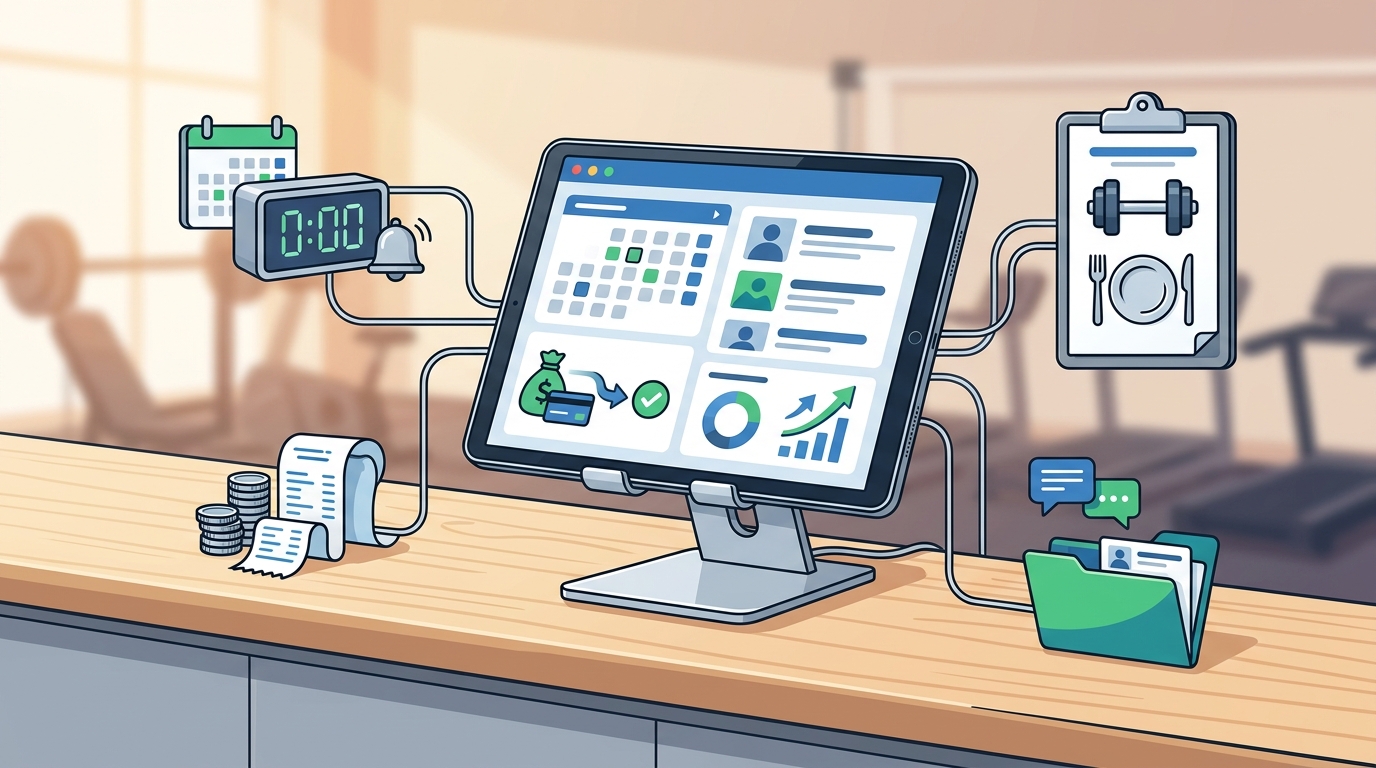
Personal trainer client management software is a digital platform that centralizes bookings, payments, workout plans, and client communication. It replaces scattered spreadsheets and manual invoicing with a single, automated system. This guide covers the essential features you need, from scheduling to progress tracking, and explains how to choose the right tool for your specific business model. For additional details, review the GurYou.
Client Management Software
Client management software is the backbone of any professional fitness practice. It is a centralized database that stores client profiles, contact information, health history, and session notes. Without a robust system, trainers often struggle to recall specific client goals or past injuries, leading to a generic and less effective training experience. For additional details, review the GurYou.
Why Centralization Matters
Centralizing data ensures that every interaction is documented. When a client mentions a knee issue during a session, that note should be visible before the next appointment. This continuity builds trust and allows for safer, more personalized programming. A good system allows you to tag clients by goal, such as weight loss or strength, making it easy to filter your roster for targeted marketing or group sessions. For additional details, review the GurYou.
Communication Features
Modern platforms include built-in messaging tools that keep all communication within the app. This reduces the friction of switching between email, text, and social media. It also creates a permanent record of advice given, which is valuable for liability protection. For trainers managing a large roster, the ability to send bulk messages for class reminders or holiday greetings saves significant time.
Workout Programming
Workout programming software is a tool that allows trainers to design, assign, and update exercise plans for clients. It moves beyond simple text descriptions by using structured templates, video libraries, and progressions. This ensures that clients understand exactly how to perform each movement, reducing the risk of injury and confusion.
Customizable Plans
Effective software lets you build plans from scratch or modify existing templates. You can specify sets, reps, rest periods, and intensity. The ability to create progressive overload plans is critical for long-term client retention. If a client masters a movement, the software can automatically suggest the next level of difficulty, keeping the training fresh and challenging.
Video and Media Integration
Text alone is often insufficient for complex movements. Integrating video demonstrations or allowing clients to upload their own form videos for review is a high-value feature. This visual feedback loop is one of the most differentiating factors in online coaching. It allows you to correct form remotely, which is essential for maintaining quality when you are not in the same room as the client.
Payment Processing
Payment processing in fitness software is the automated handling of financial transactions for services, memberships, and packages. It eliminates the need for manual invoicing and chasing late payments. For a personal trainer, cash flow is critical, and automated billing ensures that revenue is consistent and predictable.
Zero Commission Models
One of the most important financial considerations is the fee structure. Many platforms take a percentage of every transaction, which can significantly erode profit margins. A zero-commission model means that 100% of the payment goes directly to the trainer. This is a major advantage for high-volume trainers or those selling premium packages. It allows you to keep more of your hard-earned money while still providing a seamless payment experience for your clients.
Flexible Billing Options
Scheduling
Scheduling software is a digital calendar that manages appointments, class bookings, and availability. It replaces the back-and-forth of email or phone calls to find a mutually convenient time. A good scheduling system is self-service, allowing clients to book, reschedule, or cancel appointments on their own.
Reducing No-Shows
One of the biggest pain points for trainers is the no-show. Scheduling software can mitigate this by requiring a deposit or full payment at the time of booking. It can also send automated reminders via email or push notification 24 hours before the session. These small features significantly reduce last-minute cancellations and protect your time and revenue.
Buffer Times and Overbooking
Professional scheduling tools allow you to set buffer times between sessions. This is crucial for personal trainers who need time to transition between clients or clean their equipment. Some platforms also allow for overbooking, where you can accept more bookings than you have slots, assuming a certain percentage will cancel. This is a powerful tool for maximizing revenue, but it requires careful management to avoid double-booking.
Progress Tracking
Progress tracking is the systematic recording of a client's physical and performance metrics over time. It includes data points such as body weight, body composition, strength benchmarks, and adherence to workout plans. This data is essential for demonstrating results and keeping clients motivated.
Visualizing Results
Numbers can be abstract, but visual graphs are compelling. Good software presents progress data in easy-to-read charts. Seeing a line graph of increasing squat weight or decreasing body fat percentage is a powerful motivator for clients. It provides objective evidence of their hard work, which is often more convincing than subjective feelings.
Adherence and Engagement
Tracking is not just about physical results; it is also about behavioral consistency. The software should show how often a client completes their assigned workouts. If a client stops logging their sessions, you can proactively reach out to check in. This data-driven approach to coaching allows you to identify at-risk clients before they churn, improving retention rates.
Key Takeaways
- Centralized client management ensures continuity and safety by storing health history and session notes in one place.
- Workout programming tools with video integration are essential for remote coaching and form correction.
- Zero-commission payment processing maximizes your profit margins by ensuring all revenue goes directly to you.
- Automated scheduling with deposit requirements significantly reduces no-shows and last-minute cancellations.
- Visual progress tracking provides objective evidence of results, which is key to client retention.
- Choosing a platform that integrates all these features into one ecosystem saves time and reduces administrative stress.
Frequently Asked Questions
What is the best software for personal trainers?
The best software depends on your specific needs, but platforms like GurYou are highly rated for their all-in-one approach. They combine bookings, payments, and workout programming in a single interface, which is ideal for trainers who want to streamline their operations.
How much does personal trainer software cost?
Costs vary widely. Some platforms charge a monthly subscription fee, while others take a percentage of transactions. It is important to look for transparent pricing and zero-commission options to ensure you are not paying hidden fees on your earnings.
Can I use software for both in-person and online clients?
Yes, most modern platforms support both. You can schedule in-person sessions and assign digital workout plans for online clients. The key is to look for a platform that offers a mobile app for clients, as this is essential for remote engagement.
Do I need a separate app for my clients?
Not necessarily. Many platforms provide a white-label app or a web portal that clients can use to book sessions and view workouts. This eliminates the need for clients to download multiple apps, improving the user experience.
How does progress tracking work in these platforms?
Clients log their metrics, such as weight and reps, directly in the app. The software then generates charts and reports that you can review during sessions. This data helps you adjust programming based on actual performance rather than guesswork.
Is it difficult to migrate my existing client data?
Most platforms offer import tools that allow you to upload client data from CSV files or other systems. It is a one-time task that saves you significant time in the long run by having all your data in a structured, searchable format.
Conclusion
Choosing the right software is a strategic decision that impacts every aspect of your business, from client retention to profit margins. By focusing on integrated features like zero-commission payments, robust workout programming, and automated scheduling, you can build a scalable and efficient practice. GurYou is designed specifically for wellness professionals, offering a comprehensive system that handles the administrative burden so you can focus on coaching. To see how GurYou can simplify your workflow, book a demo today and start growing your business without stress.